Tucked away in a beautifully curated design studio just a pebble’s skim from our own, Nicola O’Mara brings coastal homes to life with her quietly luxurious style and eye for timeless detail. We caught up with Nicola to talk creative beginnings, design inspirations and life by the sea…

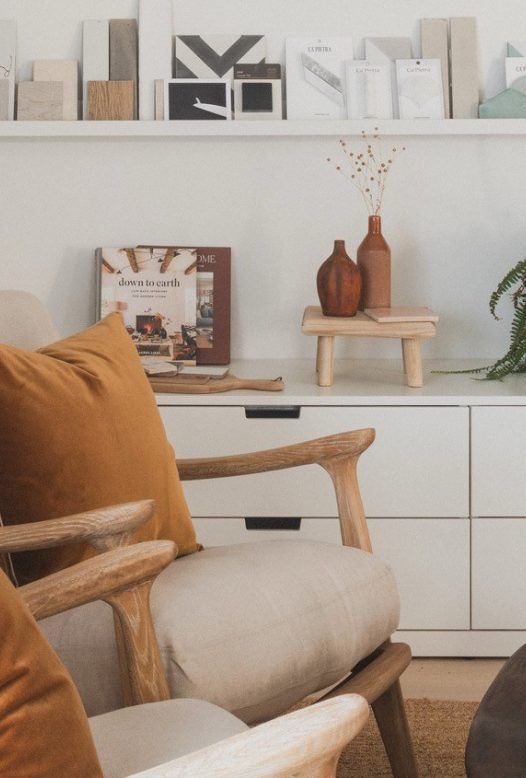
How does Cornwall shape your creative process?
Cornwall plays a huge part in how I design - it's where I live, work, and find inspiration every day. The landscape, the sea, the light... they all feed into how I think about space, texture, and colour. There’s a calmness and honesty here that I try to bring into every project. It’s hard not to be inspired when you’re surrounded by this kind of natural beauty every day.
At the same time, I’m always looking forward - exploring new materials, more sustainable ways of working, and fresh ideas that push things a bit further. Cornwall keeps me grounded, but it also gives me the space to be creative and try something new.
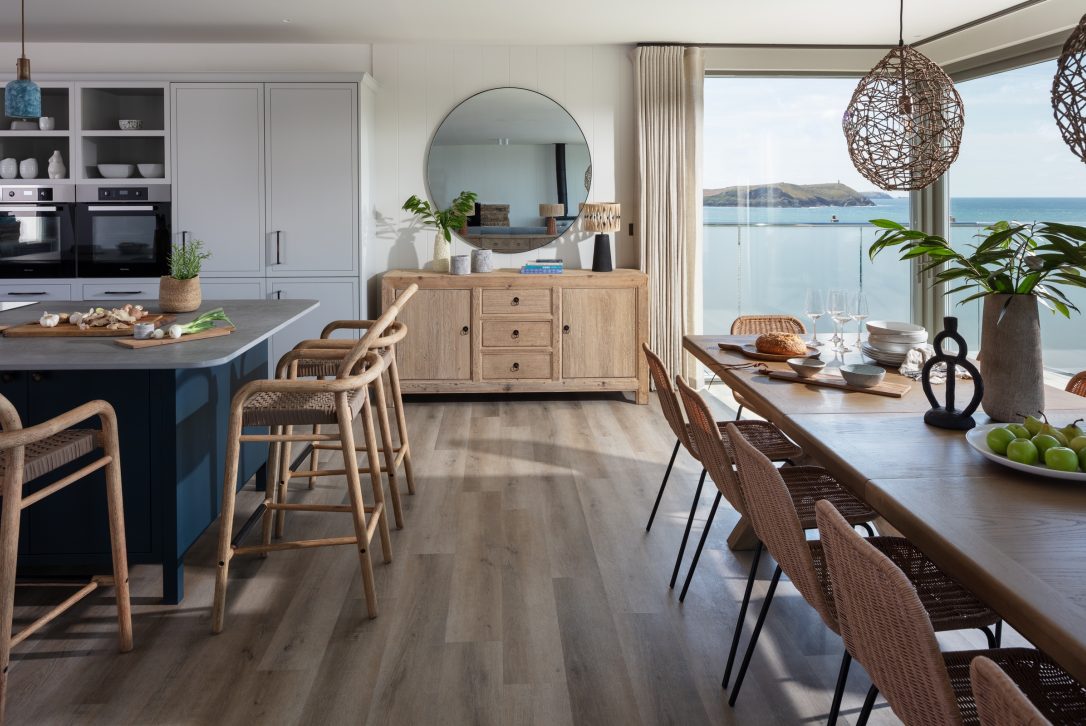
What first drew you to interiors and what continues to hold your attention?
I started my career in interior design out of a deep interest in how spaces function - how layout, materials, and detailing come together to create environments that feel cohesive and purposeful. Every project is different, and I enjoy figuring out practical, well-crafted solutions that look good and work for the people living there. I like combining quality design with real-life needs, and that balance is what keeps me interested.
Where do you begin when designing a home from scratch?
We often begin right at the very start - well before interiors come into play. Our studio can be involved from the early architectural planning stages, assisting with the pre-tender package and working alongside architects to help shape the structure, layout, and flow of the home. This means we can influence key decisions from day one, ensuring that every part of the design - from form to finish - works seamlessly together.
Understanding the site and context comes first: how the house sits in its environment, how the light moves, and how the layout can best support the way the client wants to live. Once the framework is in place, we develop the internal architecture and details, always thinking about proportions, materials, and how each space connects with the next.
From there, we build up the layers - natural materials, refined finishes, and thoughtful design choices that feel considered but not overworked. The result is a cohesive, functional home that feels effortless and grounded from the inside out.
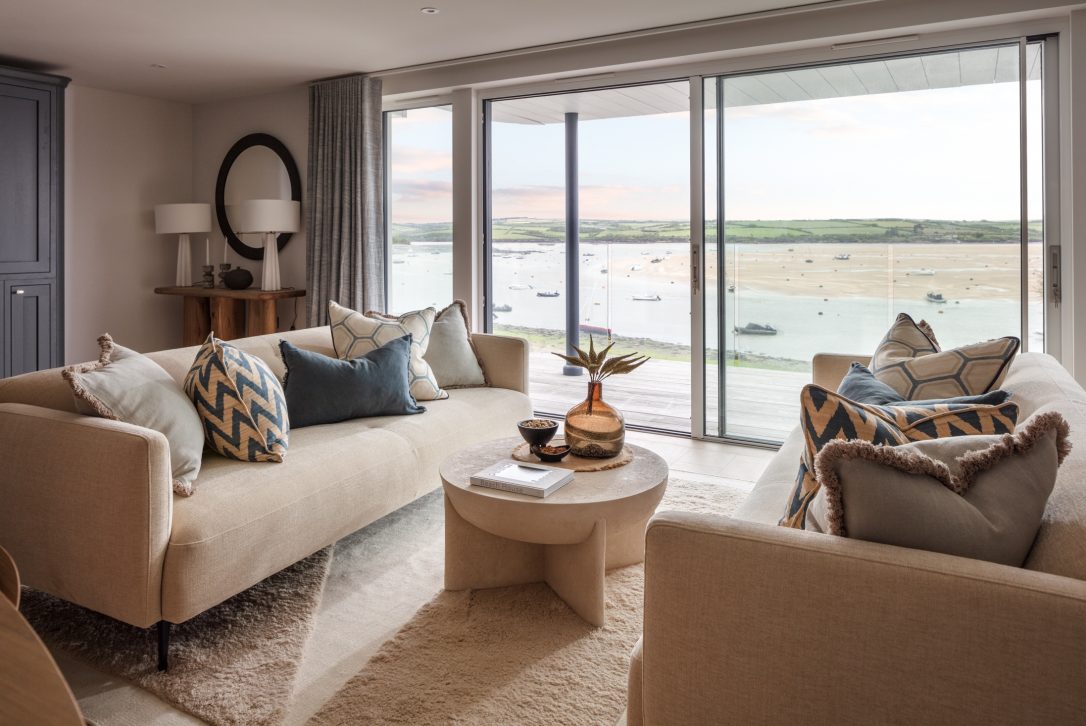
How do you create interiors that feel quietly luxurious but still relaxed enough for barefoot breakfasts and salty dogs?
For us, it’s about creating spaces that are beautifully designed but still work hard for everyday life by the coast. We understand beach living and everything that comes with it - sand, sea, dogs, kids, and weather - and we design with all of that in mind.
A holiday home should feel calm and easy the moment you step inside. That means clean layouts, durable materials, and interiors that are both functional and well-finished. Good design doesn’t need to be over the top - it just needs to be well thought out.
Comfort matters, but so does quality. Nice interiors - good lighting, solid furniture, natural textures - make all the difference. These homes might be used for weekends or weeks at a time, but they should still feel like a proper home, not an afterthought.
We believe a second home deserves the same attention as a main one. When it looks good, works well, and feels right, that’s when it becomes a true sanctuary.
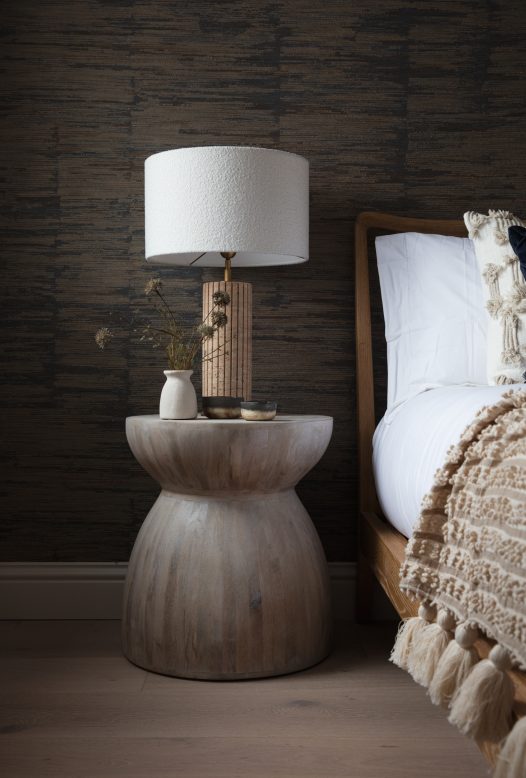
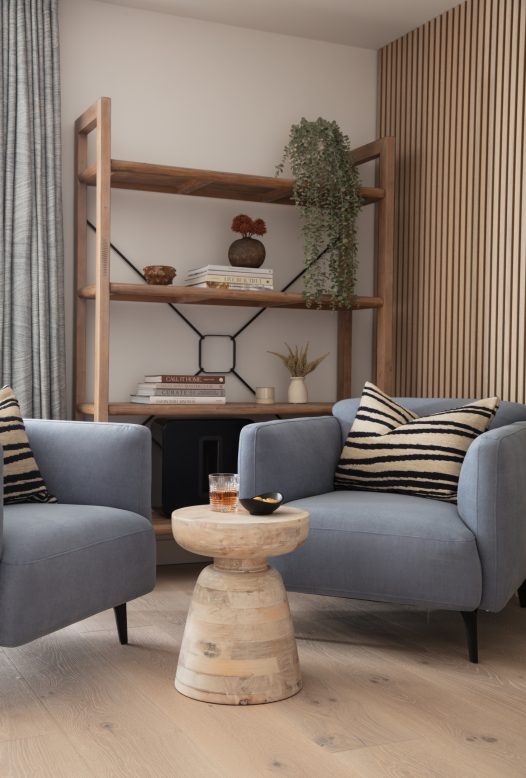
Are there any materials, textures or tones you find yourself returning to time and again?
We do like to push boundaries and try different things whenever we can, but we’re also aware that the Cornish clientele often appreciate the classic beach-inspired themes. That said, the one constant we always come back to is a strong focus on eco-friendly and sustainable materials. It’s important to us that the products we choose not only look good but also have a positive impact on the environment.
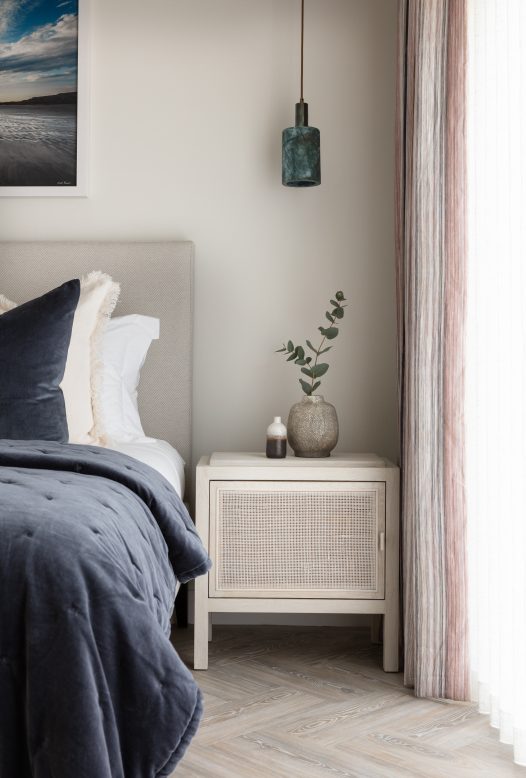
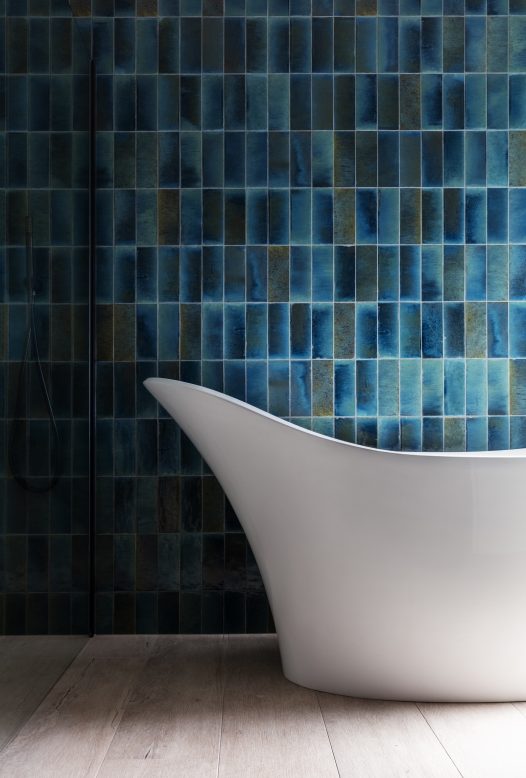
In terms of textures and tones, natural woods, soft linens, and muted, earthy colours tend to feature regularly. These elements bring warmth and authenticity without feeling overly styled, which suits the relaxed coastal lifestyle while maintaining a timeless quality.
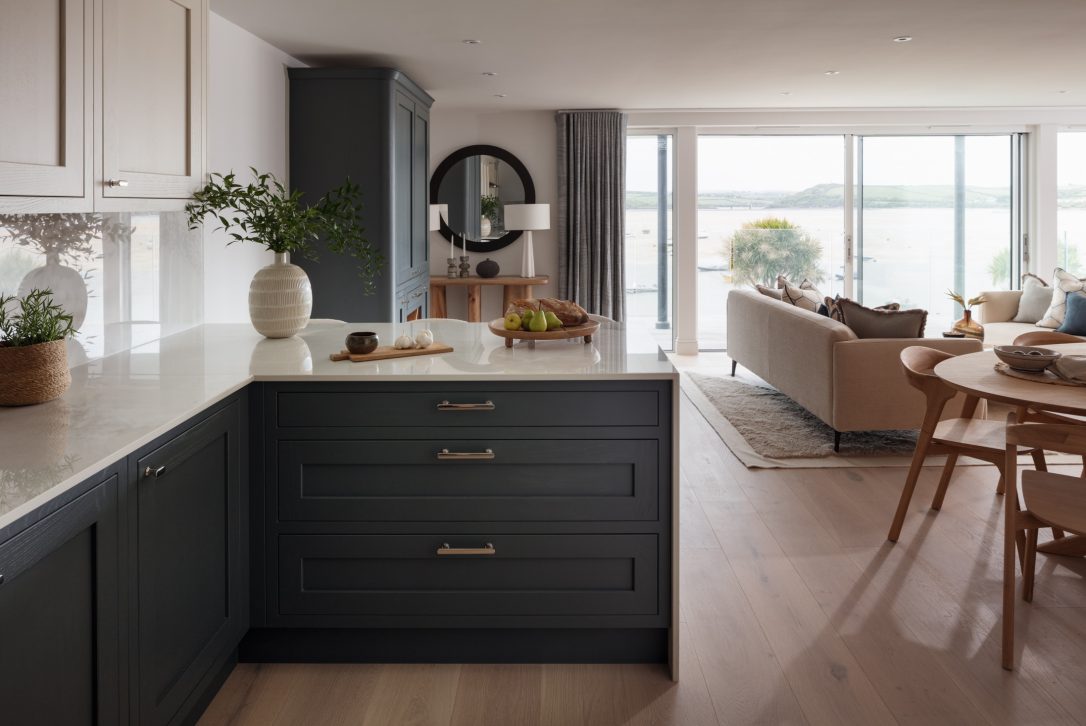
What inspires your approach to coastal design and how do you steer away from cliché?
Every Cornish property is different - from old fishermen’s cottages full of character to sleek, modern new builds - so there’s really no room for clichés. What drives my approach is simply working with the building’s own story and the site itself. I try to highlight what’s already there, whether it’s historic details or the way the light falls through a space.
Instead of going for the usual coastal clichés, I focus on materials and textures that feel genuine and fit the location. It’s more about subtle touches that nod to the coast without being too obvious or overdone. That way, the design always feels authentic and fresh.
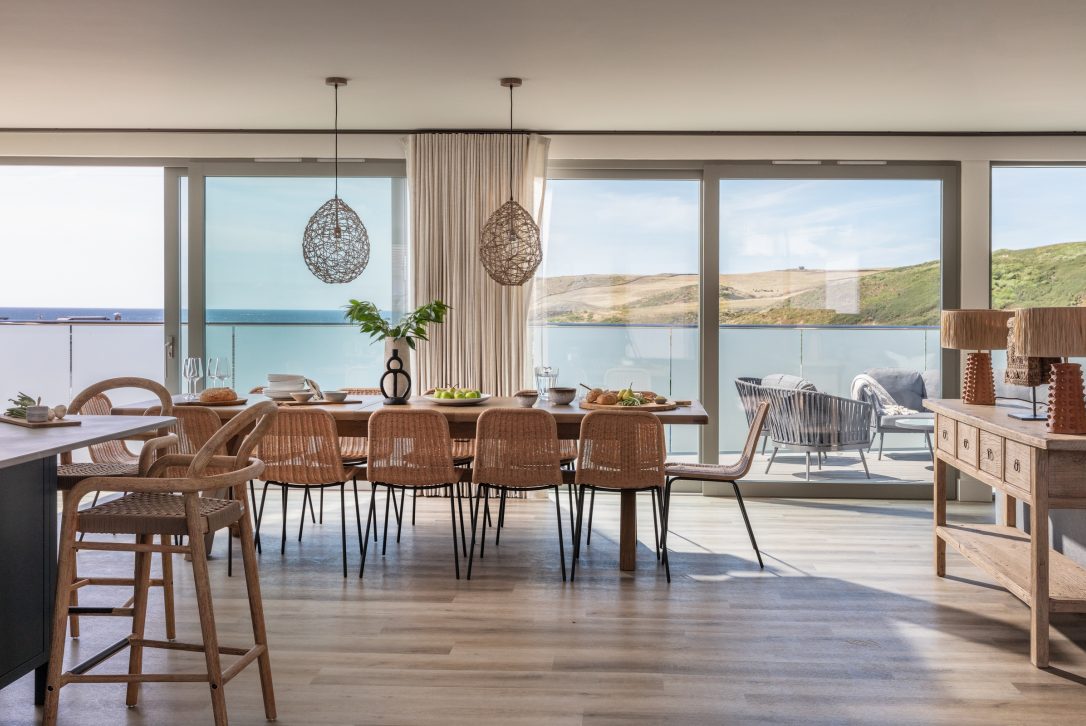
Any advice for choosing the perfect coastal colour palette?
There’s no one-size-fits-all when it comes to Cornish or coastal design - and definitely no strict rulebook for colour. Every project is personal. It depends on the property, the light, and most importantly, the people living in it.
Some clients lean towards soft neutrals and sea-washed tones, others prefer stronger contrasts or deeper, moodier shades. Our role is to guide that process - balancing what the client loves with what we know works, based on over 30 years of experience designing in coastal settings.
We always take cues from the surrounding landscape, but we don’t feel tied to the classic “coastal” look. It's about creating something timeless, practical, and personal.
When a full redesign isn’t on the cards, where’s the best place to start?
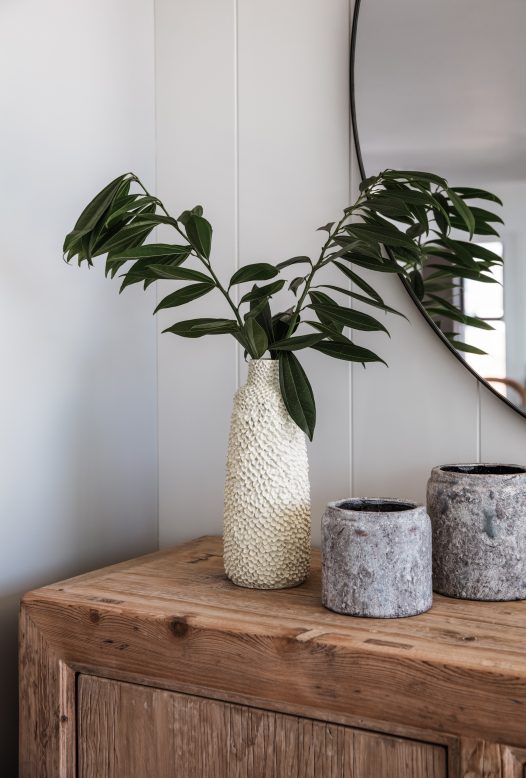
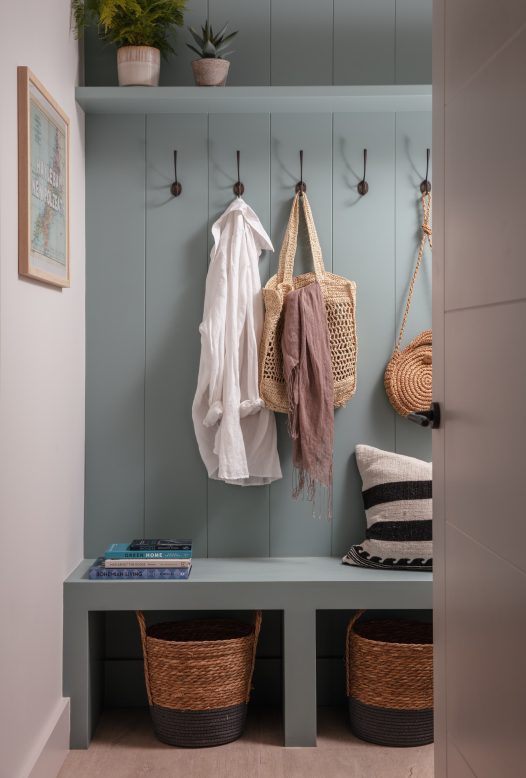
In our experience, part projects can sometimes fall short - if you only update one area without thinking about the rest of the property, it can feel disconnected and lack flow. That said, when a full redesign isn’t possible, we always suggest focusing on the elements that make the biggest visual and practical impact.
For holiday lets especially, key pieces like beds, sofas, and statement furniture are essential. You can easily give your property a fresh feel by switching out some accessories or adding a new coat of paint to a feature wall - small updates like that can really pull the space together.
The goal is to make targeted updates that elevate the space and capture attention, while still being in keeping with the overall style and character of the property.
What makes a holiday home feel like a sanctuary?
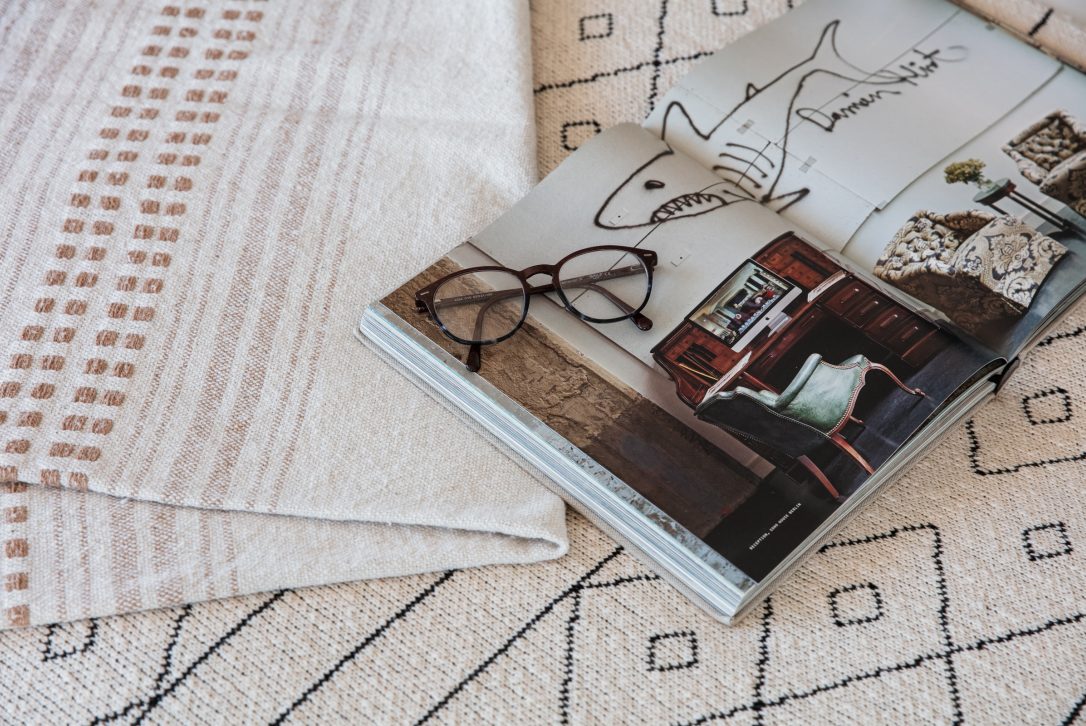
For us, it comes down to smart, well-balanced design. A holiday home should feel effortless the moment you walk in. That doesn’t happen by chance - it’s about getting the layout right, using quality materials that last, and making sure every detail is considered.
Nice interiors absolutely make a difference. Well-designed spaces with clean lines, good lighting, and thoughtful finishes instantly lift the experience. You don’t need to overdo it - but when the design is cohesive and the furniture is comfortable, it creates a space people want to spend time in.
We treat second homes just like primary ones. They deserve the same attention because people come to these places to relax, reset, and enjoy themselves. It’s the combination of strong design and easy, practical living that turns a holiday home into a true sanctuary.
Are there any Cornish makers or artisans you love to champion in your work?
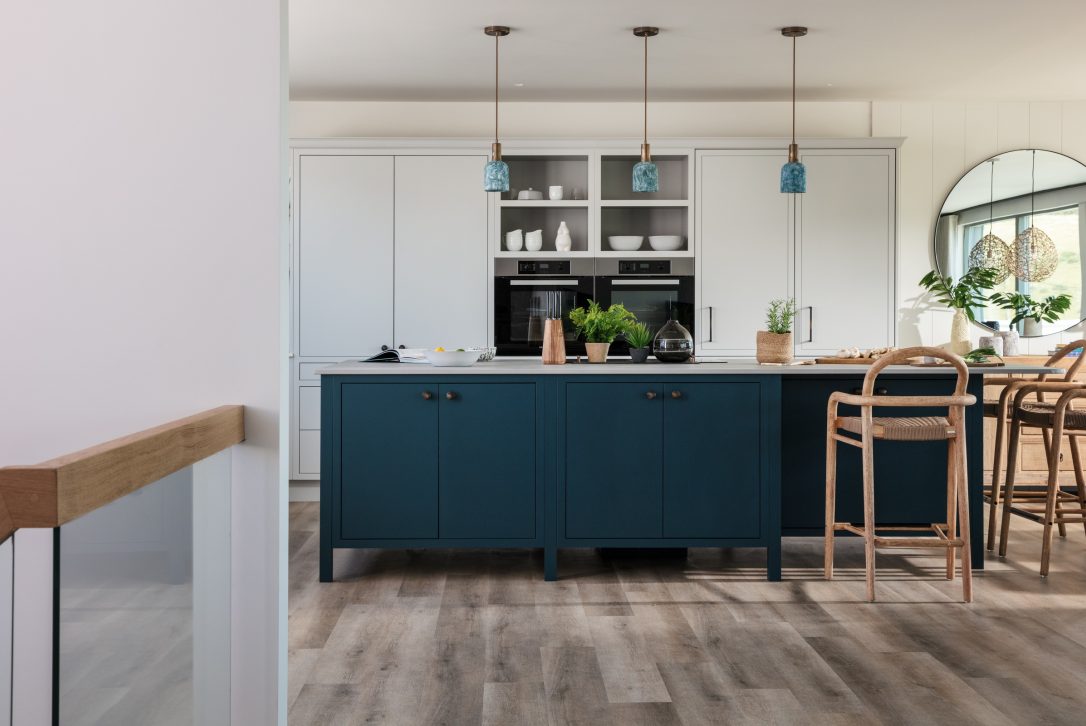
My go-tos would be; Coast Creative, Nick Reader Photography, Molesworth & Bird, Kernow Fires, Treyone Kitchens, Katie Rigby, Tom Raffield, Circle Gallery, Drang Gallery and Jo Downs Glass.
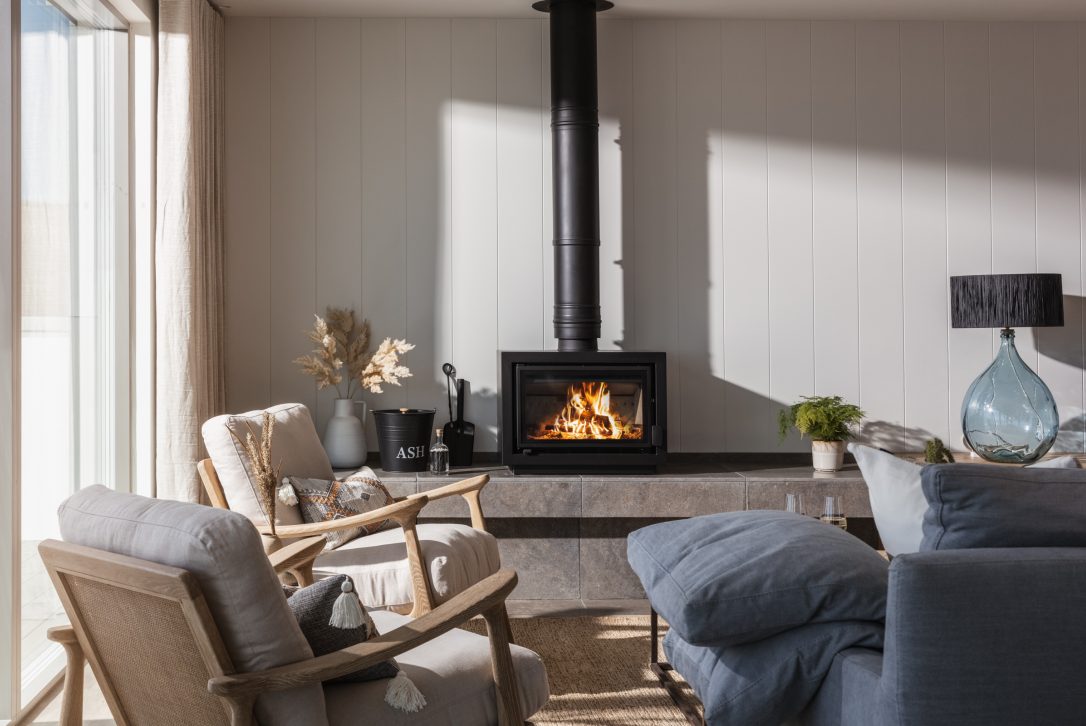
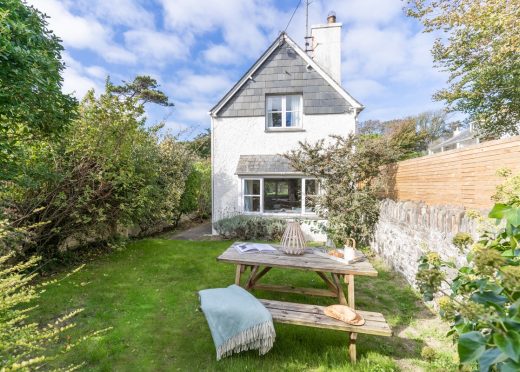
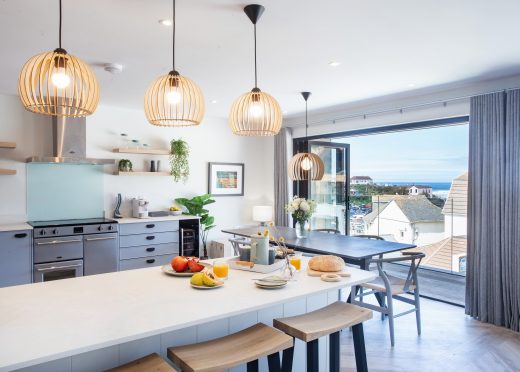
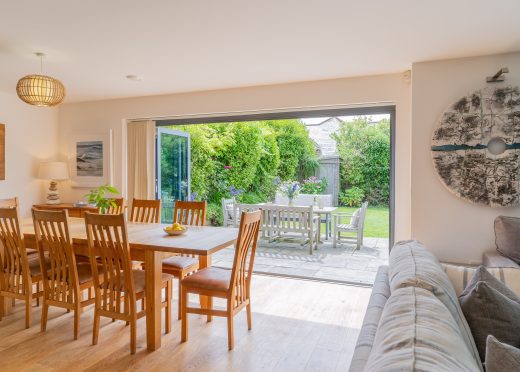
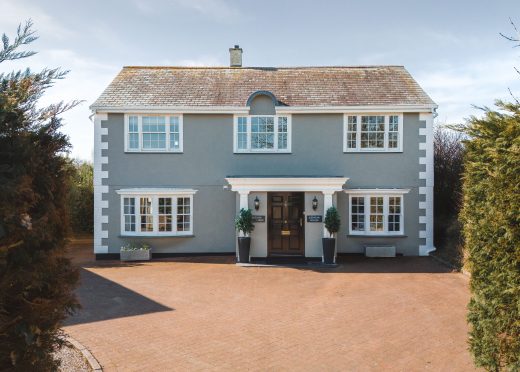
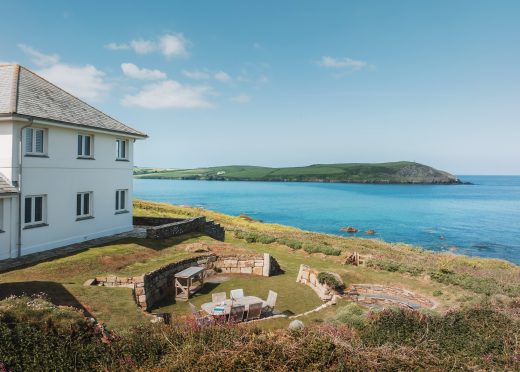
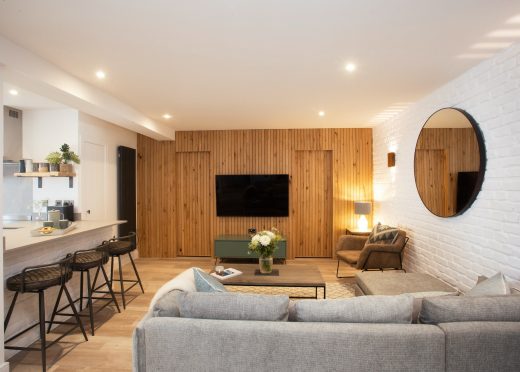
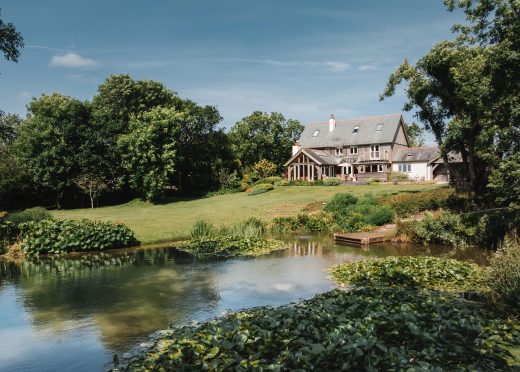
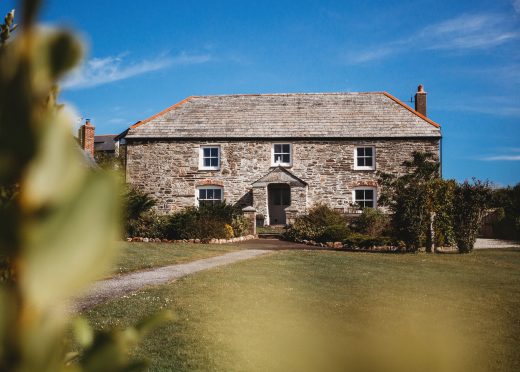
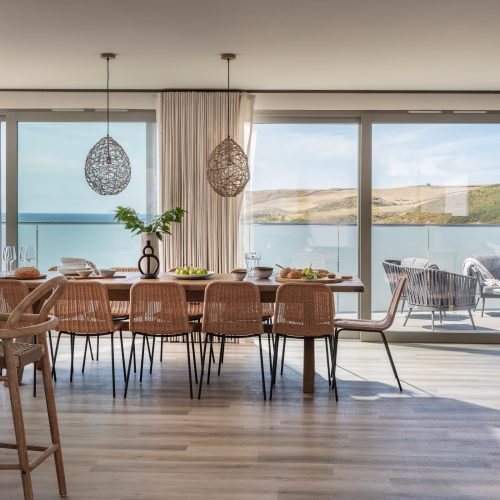
Whether its championing local makers or weaving comfort into every corner, Nicola's designs capture the soul of coastal living. Step inside Hayle Bay, Clermont, and Maleny, and you'll find her signature balance of easy elegance and seaside warmth.

_0015.JPG)